Climate monitoring bodies and regional weather experts have issued urgent warnings for Southern Africa: El Niño in South Africa is rapidly gaining strength, signaling an increased likelihood of severe heatwaves, prolonged dry spells, and intense thermal pressure from August late into the summer season.
Data compiled by the ENSO Reference Group confirms that sea surface temperatures in the equatorial Pacific’s crucial Niño 3.4 region are currently sitting 1.7°C above average. This pushes the developing 2026 event firmly into moderate-to-strong territory, with meteorologists predicting it could intensify further as spring and summer approach.
While South Africa enters this cycle with a strategic buffer—thanks to favorable dam levels and healthy soil moisture carried over from previous seasons—experts caution against complacency. Extended periods of extreme heat paired with delayed rainfall can strip surface moisture rapidly, placing immense pressure on agricultural yields, municipal grids, and industrial operations.
Key Takeaway: Soil moisture and dam levels may be stable today, but a strengthening El Niño in South Africa brings high ambient heat and accelerated evaporation. Water security isn’t built during a drought crisis—it is won during the preparation window.
What the 2026 Forecast Means for South African Sectors
According to climate consensus reports, the meteorological shift will unfold across three distinct phases:
- August – October 2026: Above-normal temperatures will sweep across the interior, dramatically increasing the frequency and duration of early-season heatwaves.
- September – November 2026: Below-average rainfall probabilities rise across the primary summer rainfall regions, delaying traditional planting windows for commercial growers.
- October – December 2026 & Beyond: Suppression of rainfall is projected to become the dominant climate pattern nationwide, accelerating water drawdowns from open rivers, earth dams, and municipal supply lines.
                    2026 EL NIÑO CLIMATE TIMELINE (SOUTH AFRICA)

  ┌─────────────────────────┐   ┌─────────────────────────┐   ┌─────────────────────────┐
  │    AUG - OCT 2026       │   │    SEP - NOV 2026       │   │    OCT - DEC 2026       │
  ├─────────────────────────┤   ├─────────────────────────┤   ├─────────────────────────┤
  │ Extreme heatwaves begin │   │ Below-normal rainfall   │   │ Widespread dry pattern  │
  │ High evapotranspiration │   │ Delayed crop planting   │   │ Municipal grid strain   │
  └─────────────────────────┘   └─────────────────────────┘   └─────────────────────────┘
The Hidden Threat: Evaporation Losses During High Heatwaves
A critical detail often overlooked during early-stage drought warnings is evapotranspiration. Even when dams appear healthy, high ambient temperatures act as an environmental sponge, pulling millions of liters of untreated water directly from open surfaces every day.
For commercial farms, mining operations, and industrial facilities, relying on open earth dams or raw surface water during a strong El Niño event leads to massive volume loss without a single drop being used productively.
Strategic Water Security: Transitioning to Sealed Bulk Reservoirs
To safeguard operational continuity against the 2026/2027 El Niño threat, property developers, agribusiness leaders, and plant managers are shifting away from vulnerable open storage toward engineered, high-capacity containment.
        OPEN DAMS VS. SEALED ALUZINC® STEEL RESERVOIRS

  [ Open Farm / Site Dam ]          [ Sealed Aluzinc® Steel Reservoir ]
             │                                        │
  ┌──────────┴──────────┐                  ┌──────────┴──────────┐
  ▼                     ▼                  ▼                     ▼
Uncontrolled       Algae & Dust       Zero Seepage          Potable Grade
Evaporation        Contamination      (Lined System)        (Clean & Lined)
1. Zero Seepage and Minimal Thermal Gain
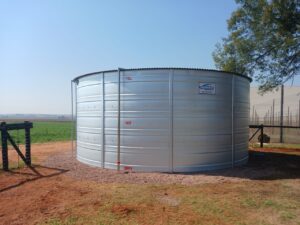
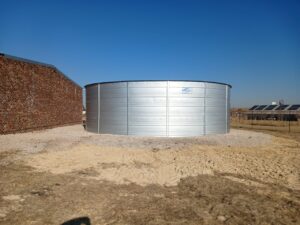
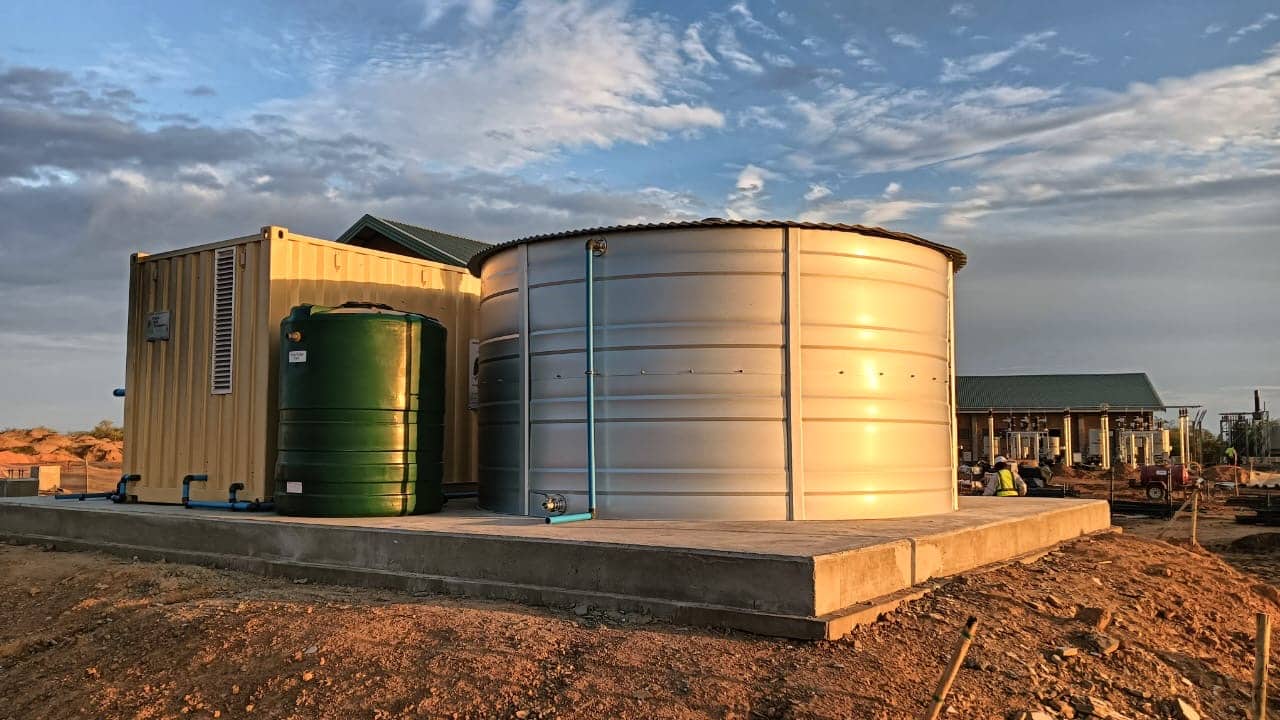
Modular sectional steel reservoirs, constructed with specialized Aluzinc® steel coatings, offer high thermal reflectivity. This keeps internal water cooler during intense heatwaves while heavy-duty, food-grade internal liners eliminate seepage entirely.
2. Rapid Deployment Before Peak Heat
Constructing concrete reservoirs requires months of excavation and civil works. Sectional steel panel tanks are flat-packed for easy transport to remote rural or congested urban sites, with assembly times ranging from a few days to two weeks for multi-million-liter systems.
3. Protecting Business Continuity
During heatwaves, municipal water utilities frequently enforce pressure reductions or regional “water-shifting” to manage grid capacity. Having an active, on-site bulk storage reserve ensures commercial HVAC systems, agricultural fertigation lines, and warehouse fire sprinkler networks remain fully pressurized 24/7.
Action Plan: Drought-Proofing Your Facility Today
- Calculate Evaporation Risk: Evaluate open surface storage assets and quantify potential daily volume loss under sustained 35°C+ ambient heat conditions.
- Audit Peak Daily Water Demands: Determine the minimum daily operational volume needed to maintain core production, crop survival, or commercial sanitation.
- Install Modular Buffer Storage: Deploy scalable surface reservoirs (50,000L to 4,000,000L+) at critical utility connection points to insulate your operations from climate and grid shocks.
Is your business prepared for the 2026/2027 El Niño?
Rainbow Reservoirs manufactures and installs high-capacity Aluzinc® sectional steel water tanks designed to withstand Africa’s harshest climate conditions.Request a bulk water storage quote today.